‘‘Community Land Trust is the developer which never goes away"
What can the UK learn from a global approach to community-led housing?
Author: Janet Emmanuel, Communities Manager
Date: 12/05/2026
Category: News / Insights
Tags: community-led housing, CLT, Brazil, affordable housing

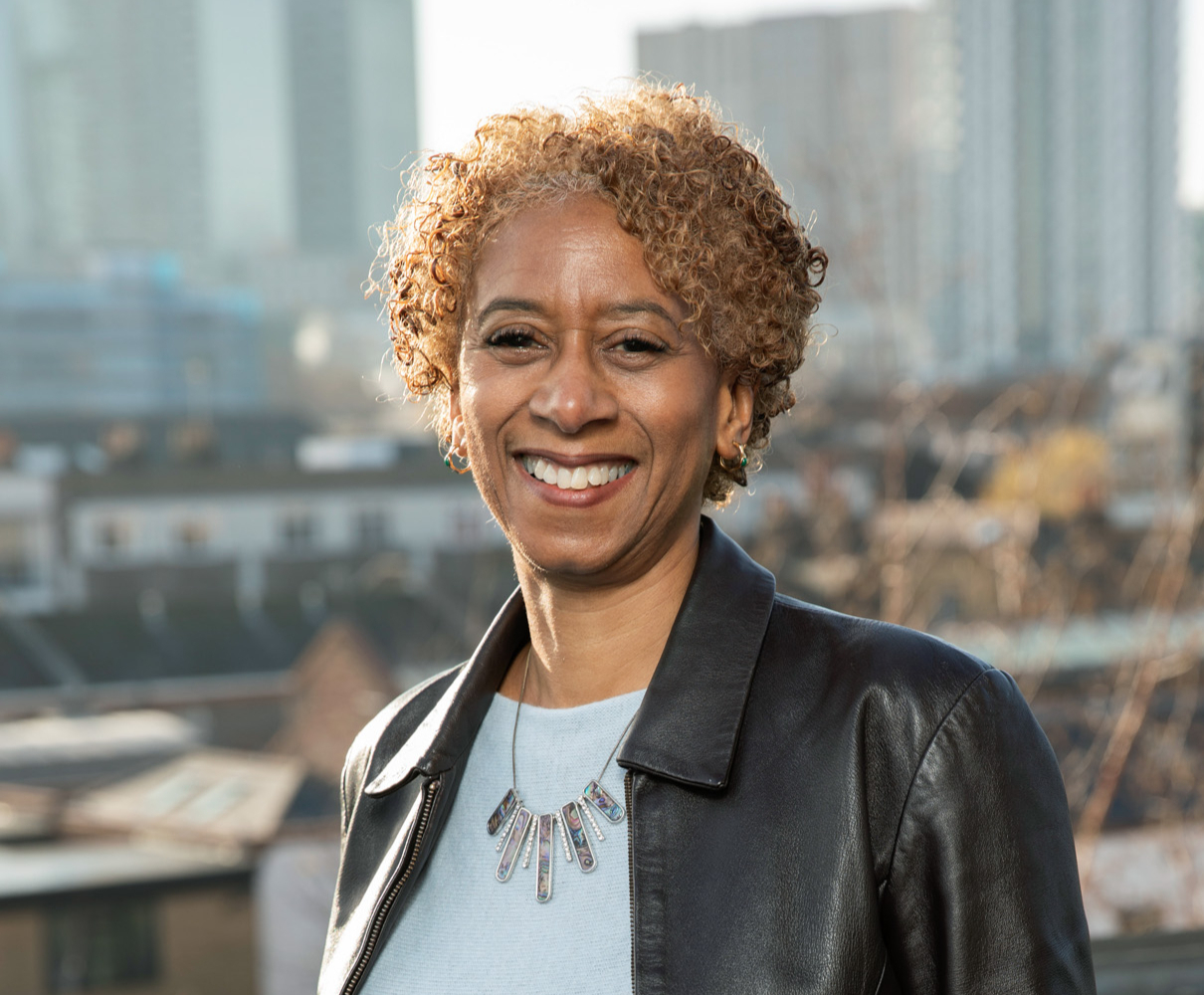
Caption: Learning from community-led housing initiatives during the 2026 Global CLT Peer Exchange in Rio de Janeiro, Brazil.
Reflections from the 2026 Global CLT Peer Exchange in Rio de Janeiro, Brazil
I recently attended the 2026 Global CLT Peer Exchange in Rio de Janeiro, Brazil, where I learnt from leaders, communities and organisations delivering housing in contexts often very different from the UK.
I left both inspired and challenged, energised by the scale, ambition and determination I witnessed, while reflecting on how much further the UK could go in supporting truly community-led housing.
One thing that stayed with me in Brazil was how deeply land is connected to identity, resilience and continuity. As a Black British woman of Afro-Caribbean heritage, I felt this strongly in communities whose histories are shaped by the legacy of the transatlantic slave trade. For many people, land is not simply a resource; it is cultural infrastructure embedded in memory, identity and inheritance.
In Rio’s favelas, communities have built far more than homes. They have created neighbourhood associations, mutual aid networks and informal economies that sustain daily life. Homes are often self-built and evolve to accommodate multiple generations.
Black women frequently hold leadership in their 50s and 60s – individuals too often overlooked, yet central to holding communities together through care, organising and resistance.
“Community Land Trust is the developer which never goes away.”
That idea stayed with me throughout the visit.
A particularly powerful moment was hearing from Maria de Penha of Vila Autódromo. Her community resisted eviction ahead of the 2016 Olympics, despite residents holding legal rights to the land.
Communities organised collectively and developed a “People’s Plan” to show how they could remain in place. Although many residents were ultimately displaced, some stayed.
When asked why, Maria’s response was simple and profound:
“Some things don’t have a price tag.”
It was a powerful reminder that land is not simply something to be owned; it is something people belong to, and it should serve the communities who live on it.
Vila Autódromo, though largely destroyed, stands as a reminder of both the power of community resistance and what is lost when residents are excluded from decisions about their own neighbourhoods.
Reflections for the UK
While the contexts are very different, the underlying questions feel familiar:
How do we ensure people have a real stake in the places they live? And how do we protect affordability for future generations?
Several reflections stood out for me.
Community power must be real
What I saw went far beyond consultation. Communities were shaping outcomes, organising collectively and challenging institutions.
Scaling is possible
In the UK, community-led housing remains relatively small-scale. Elsewhere, it is becoming part of a much larger global movement.
Land is fundamental
Without long-term control of land, lasting affordability is difficult to achieve.
Partnerships matter
Progress depends on collaboration between communities, technical experts and supportive policymakers.
What this means for London
At London Community Land Trust, we are already working to put many of these principles into practice, supporting communities to take a leading role in creating homes that are genuinely and permanently affordable.
But this experience was also a reminder that we can be more ambitious.
It is time to rethink the narrative around what housing and community can look like and to recognise that community-led housing is not a niche idea but part of a growing global movement.
Join London CLT
Community-led housing only works when people come together to shape it.
If you believe Londoners should have a real stake in the future of their neighbourhoods, join us and help build genuinely affordable homes that are permanently affordable across the city.


